

Selecting the right power cable is one of the most critical decisions in any electrical project. Whether the application involves overhead distribution, underground installation, or industrial power supply, the wrong cable choice can lead to power loss, safety risks, and premature system failure.
At HNBF Cable, we believe power-cable selection should be based on engineering principles rather than short-term cost. Understanding technical requirements, operating conditions, and long-term performance expectations is essential for building reliable electrical networks.
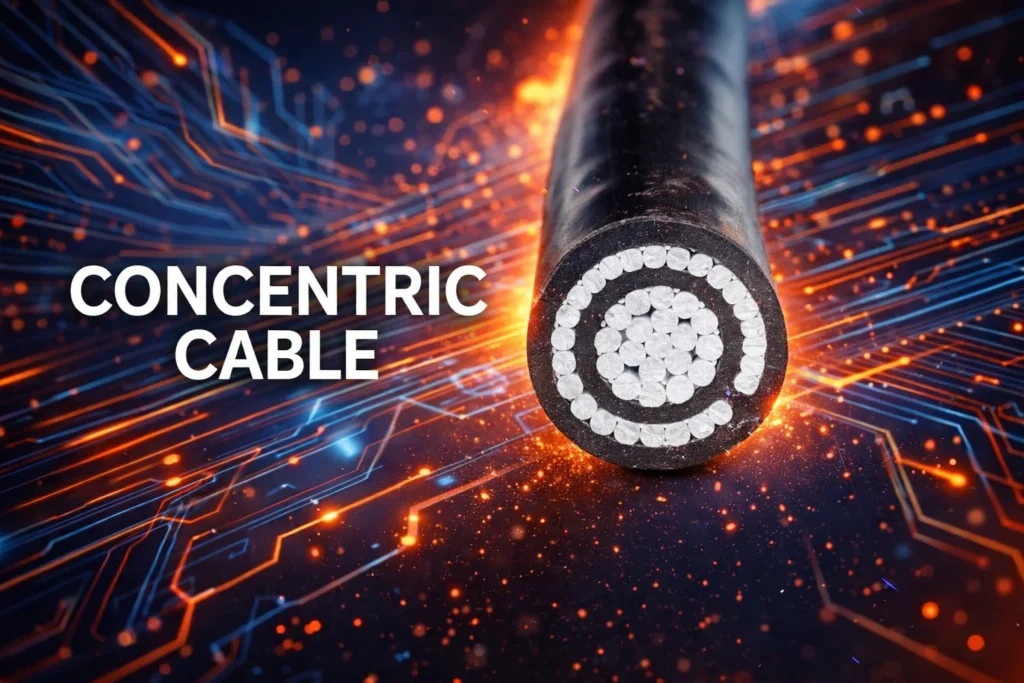
Why Power-Cable Selection Matters More Than Ever
Modern electrical systems are more demanding than ever before. Increased load requirements, environmental challenges, and strict safety regulations mean cables must perform reliably over long service periods.
Poor cable selection often results in:
- Excessive voltage drop
- Overheating and insulation breakdown
- Frequent maintenance and outages
- Increased operational costs
Proper selection ensures stable performance, safety, and reduced total lifecycle cost.
Understanding the Application Environment
The first step in power-cable selection is understanding where and how the cable will operate.
Installation Method
Different installation environments place different stresses on cables:
- Overhead installations require high mechanical strength
- Underground installations require moisture and corrosion resistance
- Industrial environments demand resistance to heat, oil, and chemicals
Each environment influences conductor type, insulation material, and cable construction.
Choosing the Right Conductor Material
The conductor is the core of any power cable and directly affects electrical efficiency and mechanical performance.
Aluminum Conductors
Widely used due to their lightweight nature, corrosion resistance, and cost efficiency. Aluminum conductors are ideal for overhead and long-distance distribution networks.
Reinforced Conductors
In applications requiring higher tensile strength, reinforced conductor designs improve sag control and mechanical stability.
HNBF Cable offers engineered aluminum-based conductor solutions optimized for various load and environmental conditions.
Importance of Insulation Material
Insulation protects the conductor and ensures safe operation under electrical and thermal stress.
XLPE Insulation
Provides excellent thermal resistance, high dielectric strength, and long service life.
PVC Insulation
Offers flexibility and ease of installation for low-voltage applications.
Selecting the correct insulation type is essential for ensuring cable longevity and performance under operating temperatures.
Electrical Load and Current-Carrying Capacity
Accurate assessment of electrical load is essential during cable selection. Factors that influence current-carrying capacity include:
- Conductor size
- Ambient temperature
- Installation method
- Grouping of cables
Undersized cables may overheat, while oversized cables increase unnecessary costs. Engineering calculations ensure optimal balance between performance and efficiency.
Mechanical Strength and Durability
Cables are subject to mechanical forces during installation and operation. These forces may include:
- Tension
- Bending stress
- Wind load and vibration
Selecting cables with appropriate mechanical strength reduces the risk of conductor deformation and insulation damage over time.
Compliance with Standards and Regulations
International and regional standards define performance, safety, and testing requirements for power-cables. Compliance ensures:
- Safe operation
- Compatibility with electrical systems
- Acceptance by utilities and regulatory authorities
HNBF Cable manufactures power-cables that align with recognized international standards, ensuring reliability and market acceptance.
Long-Term Performance and Maintenance Considerations
Power-cable selection should focus on long-term reliability, not just initial installation.
High-quality cables offer:
- Reduced maintenance frequency
- Lower failure rates
- Stable electrical performance
- Extended service life
This results in lower operational costs and improved system uptime.
The Role of Manufacturing Quality
Even the best cable design can fail if manufacturing quality is inconsistent. Precision in conductor stranding, insulation extrusion, and testing ensures reliable performance.
HNBF Cable emphasizes:
- Strict quality control procedures
- Advanced manufacturing equipment
- Comprehensive testing at every stage
This commitment ensures that selected cables perform as expected throughout their lifecycle.
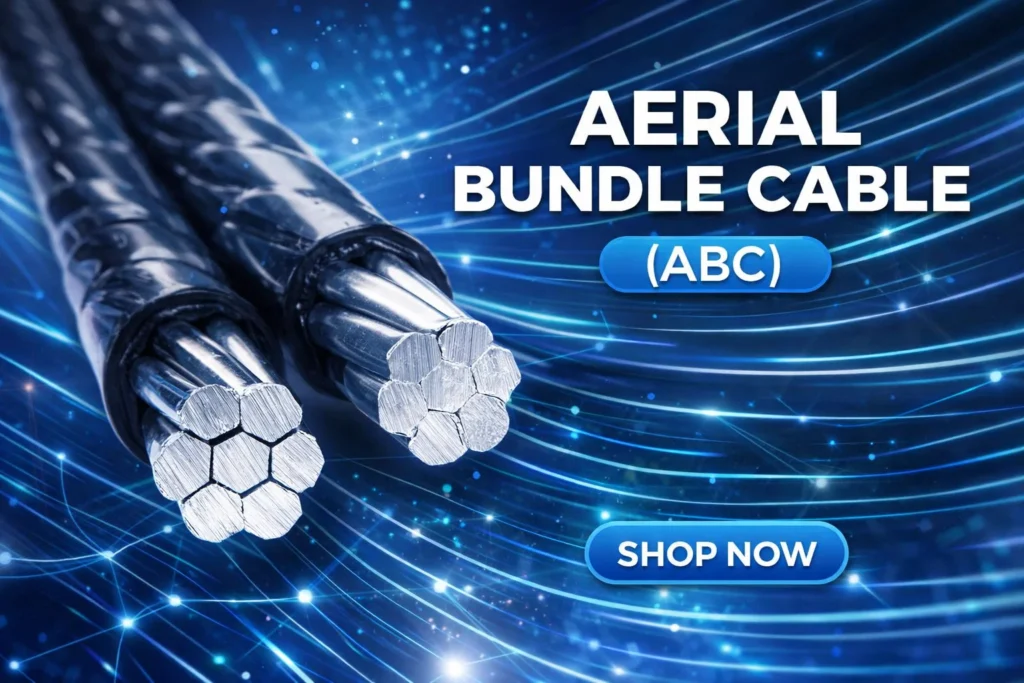
Why HNBF Cable Is a Trusted Manufacturing Partner
HNBF Cable combines technical expertise with manufacturing excellence to support reliable power networks. Our approach includes:
- Engineering-driven product design
- Consistent material quality
- Standard-compliant manufacturing
- Professional technical support
We help customers make informed power-cable selection decisions that support safe and efficient electrical systems.
Conclusion
Power cable selection is a critical factor in the reliability and safety of electrical networks. By understanding application conditions, conductor materials, insulation types, and long-term performance requirements, project stakeholders can avoid costly failures and ensure stable power delivery.
With engineered solutions and a commitment to quality, HNBF Cable supports dependable power infrastructure built for long-term success.